
SEO Blog: Articles, Tutorials, and SEO Insights
Welcome to the Seoraf SEO blog, your central place for practical learning, industry knowledge, and actionable search engine optimization strategies. A strong SEO blog does more than publish random posts. It helps readers understand how search works, how rankings change, and how websites can improve visibility with the right structure, content, and tools.
Search engine optimization never stays still for long. Search engines refine ranking systems, user expectations change, and content standards continue to rise. Because of that, website owners need an SEO blog that explains not only what is changing, but also what actions are worth taking right now. Seoraf is built to make that process easier.
This SEO blog focuses on clarity, usability, and long-term value. Inside the hub, readers can discover SEO articles, beginner tutorials, platform reviews, optimization tips, and SEO industry updates that support better decision-making. Every section is designed to help bloggers, small businesses, affiliate marketers, and content creators move from confusion to action.
Whether you want to learn the basics, improve content performance, compare SEO tools, or stay updated with new SEO insights, this SEO blog gives you a structured place to explore. Instead of jumping between scattered posts, you can use this page as your starting point for deeper reading, internal exploration, and better organic growth.
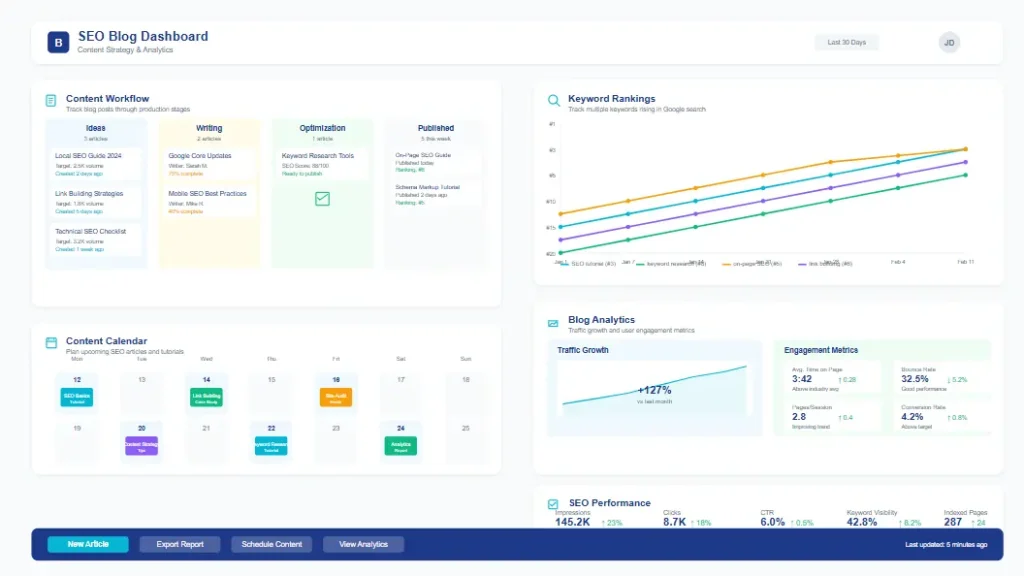
The image above represents the type of practical workflow this SEO blog supports. Good SEO requires planning, measurement, and consistent improvement. That is why Seoraf connects tutorials, resources, and tool recommendations into one learning path. If your goal is to grow organic traffic with less guesswork, this SEO blog is designed to help.
Latest SEO Articles and Tutorials
The Seoraf SEO blog publishes practical content that helps readers understand search engine optimization in a simple and useful way. Instead of filling pages with vague theory, the goal is to create SEO articles that answer real questions, solve common problems, and guide readers toward better results.
Many people visit an SEO blog because they want fast answers. They may want to know how to choose keywords, why a page is not ranking, or which tools are worth paying for. Seoraf addresses these needs with tutorials and explainers built around common SEO tasks. That makes the reading experience more valuable and encourages deeper page exploration.
A quality SEO blog should also cover a mix of evergreen and timely topics. Evergreen content helps readers learn the foundations of search engine optimization, while newer posts address changes in tools, ranking behavior, and SEO industry updates. This balance helps Seoraf build topical authority while still giving readers fresh and relevant content.
The latest content on this SEO blog often covers topics such as SEO for beginners, keyword research strategies, content optimization methods, internal linking frameworks, technical SEO basics, and SEO tips and strategies for ranking growth. These are the types of subjects readers return to repeatedly because they directly affect search performance.
If you want to keep exploring new content, visit the main SEO blog archive. It works as the central library for new posts, updated tutorials, and practical search engine optimization blog content. This makes it easier for readers to move from one helpful article to another instead of leaving after a single visit.
A strong blog hub also supports internal linking naturally. As readers move through related posts, they discover useful supporting articles and money pages in a way that feels helpful rather than forced. That improves dwell time, strengthens content relationships, and helps both users and search engines understand the site structure.
Seoraf uses this SEO blog not only to educate but also to organize learning paths. Readers who start with a general post can move into more detailed tutorials, tool comparisons, and resource hubs. This layered structure makes the blog more useful for beginners while still providing value for experienced website owners and marketers.
Beginner SEO Tutorials
Beginners often struggle because search engine optimization seems technical at first. There are many terms, many tools, and many opinions. A helpful SEO blog removes that friction by organizing lessons into simple steps. That is why the beginner section of Seoraf focuses on learning resources that are clear, practical, and easy to follow.
A beginner-friendly SEO blog should explain how search engines crawl, index, and rank pages. It should also show how keyword targeting, content quality, page structure, and internal links work together. When these basics are explained clearly, readers feel more confident and are more likely to take action instead of postponing optimization.
One of the most important resources for new readers is the SEO for Beginners Guide. This tutorial breaks the process into understandable parts so readers can start with the core concepts before moving into more advanced strategy.
Another essential topic covered in this SEO blog is keyword research. Beginners often create content without knowing what people are actually searching for. That usually leads to weak traffic and poor ranking opportunities. Learning how to select realistic search terms gives new websites a better chance to gain traction.
To build that skill, readers can visit the Keyword Research Guide. It explains how to think about search demand, intent, topic relevance, and content opportunity in a way that is simple enough for new site owners to apply.
Beyond the basics, beginner SEO tutorials on Seoraf also help readers understand page optimization, title writing, content structure, and the role of supporting pages. This matters because a growing website needs more than one strong article. It needs a connected content system, and that understanding often starts inside a trusted SEO blog.
The beginner path also works well for bloggers, affiliate marketers, and small businesses that want to learn without feeling overwhelmed. Instead of trying to master everything at once, readers can use this SEO blog to build knowledge gradually. That increases the chances of consistent progress and reduces common beginner mistakes.
Good tutorials do not just explain definitions. They show readers what to do next. Seoraf aims to make each beginner post part of a larger learning journey, which is why tutorials link naturally to related guides, tools, and resources across the site.
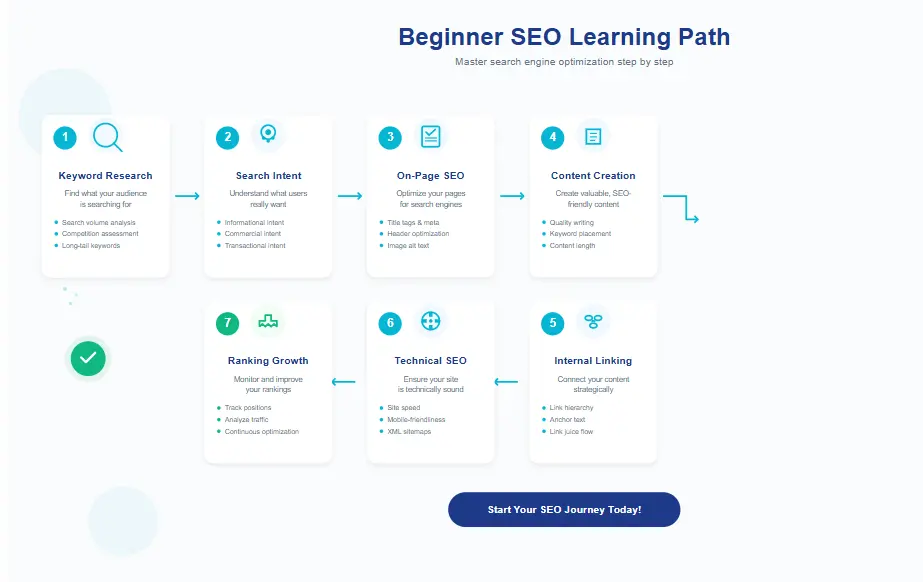
SEO Strategy and Optimization Tips
Learning the basics is useful, but growth usually comes from having a clear strategy. A valuable SEO blog should help readers move beyond isolated tasks and start thinking about how content, site structure, and user intent fit together. Seoraf uses this section to share SEO tips and strategies that can support measurable improvement over time.
One of the first strategic areas is on-page SEO. This includes writing clearer headings, using keywords naturally, improving topical depth, and matching the content format to user intent. Even small on-page changes can improve clarity for both readers and search engines, especially when the content already has ranking potential.
Internal linking is another major topic inside this SEO blog. Many websites publish content without connecting related pages properly. That weakens topical authority and makes it harder for search engines to understand page relationships. Strategic internal linking helps distribute relevance, guides readers to supporting pages, and increases the chance of longer sessions.
Content optimization also plays a central role. Updating weak content, strengthening topical coverage, improving introductions, and clarifying subheadings can turn average posts into better-performing assets. A practical search engine optimization blog should teach readers how to improve existing pages, not just publish new ones.
This SEO blog also discusses how to align content with ranking intent. Informational queries, comparison queries, and commercial queries often require different structures. When websites understand the intent behind a keyword, they can create content that satisfies users more effectively and improves ranking relevance.
Another strategy involves building clusters around core topics. Instead of publishing unrelated posts, a smart website uses pillar pages, supporting articles, and internal links to build topical depth. This hub-and-spoke approach can improve both usability and search understanding, especially on growing sites that want to build authority.
Many of these improvements become easier when supported by the right platforms. Readers who want to compare helpful software can visit Best SEO Tools to discover tools that support keyword research, content optimization, audits, and rank tracking.
The main goal of strategy content in this SEO blog is simple: help readers do better work with more confidence. A strong strategy keeps website growth focused, reduces wasted effort, and supports better results from each piece of content you publish.
SEO Tools and Platform Reviews
SEO tools matter because they reduce guesswork. Without data, it is difficult to know which keywords to target, which pages are underperforming, or what technical issues are limiting visibility. That is why the Seoraf SEO blog includes software reviews, comparisons, and tutorials focused on practical tool selection.
Different tools serve different needs. Some platforms are stronger for keyword discovery, some are better for backlink analysis, and others help with site audits or content improvement. A useful SEO blog helps readers understand these differences so they can choose tools based on goals rather than marketing hype.
Popular platforms often discussed include Semrush, Ahrefs, Moz, and Mangools. These names come up frequently because they are widely used across the SEO industry. Each platform has strengths, and the best choice usually depends on budget, experience level, and the type of site you are managing.
Semrush
Useful for keyword research, competitive analysis, site audits, and content planning in one broad platform.
Ahrefs
Known for strong backlink data, keyword exploration, and content opportunity research for growing sites.
Moz
Helpful for beginners who want an easier learning curve and core SEO metrics in a cleaner interface.
Mangools
Popular with smaller websites and beginners who want accessible tools for keywords, SERPs, and backlinks.
For readers who are still exploring options, Seoraf uses this SEO blog to explain not only what a tool does, but who it is best for. That matters because beginners often overpay for software with features they do not yet need. Good reviews help readers match platform choice to actual workflow.
A quality SEO blog should also explain how to use tools well. Data alone does not create growth. The real benefit comes from applying that data to better topic selection, stronger content briefs, improved internal linking, and ongoing optimization. That is where tool education becomes more valuable than simple feature comparison.
If you want a broader collection of hand-picked options, visit Best SEO Tools. It is one of the key money pages connected to this SEO blog and helps readers move from education to action.
SEO Trends and Industry Insights
SEO changes because search engines keep refining how they interpret pages, measure quality, and satisfy users. A good SEO blog should help readers understand both current best practices and the broader direction of search. That is why Seoraf includes SEO insights and SEO industry updates that explain important trends without unnecessary complexity.
One major trend is the increased importance of helpful, intent-matched content. Search engines want pages that solve real problems, demonstrate clarity, and satisfy the query quickly. That means websites need to focus less on mechanical optimization and more on building strong content experiences.
Another ongoing shift involves AI in SEO. Artificial intelligence influences how content is created, evaluated, summarized, and surfaced. Website owners need to understand both the opportunities and the risks. AI can improve research and workflow, but thin or generic content still struggles when it lacks original value.
Algorithm updates also remain an important topic for any search engine optimization blog. While individual updates may vary, the larger pattern usually rewards pages that are trustworthy, clearly structured, and genuinely useful. This makes foundational quality more important than quick-fix tactics.
Readers who want official guidance can review the Google Search documentation. It is one of the most important authority references for understanding crawling, indexing, structured content, and search-friendly website practices.
For broader webmaster guidance and search quality best practices, readers can also review Google Search Essentials. These documents support many of the principles discussed across this SEO blog and help readers verify core recommendations from official sources.
Another helpful reference for content and discovery understanding is Google Search Console. It gives site owners performance data that can shape better decisions around pages, queries, and indexing issues.
Seoraf uses SEO trend content to help readers stay prepared rather than reactive. A smart website does not wait for traffic to drop before learning. By following SEO industry updates and practical insights, readers can make stronger decisions before problems become expensive.
Popular SEO Blog Categories
This SEO blog is organized into categories that make browsing easier and help readers explore content based on their goals. A well-structured hub improves internal discovery, encourages longer sessions, and helps visitors move naturally from one topic area to another.
- SEO tutorials: Step-by-step guides for beginners and site owners who want a clear learning path.
- Keyword research: Content focused on finding realistic opportunities, intent mapping, and topic selection.
- Content optimization: Posts about improving page quality, topical depth, readability, and ranking performance.
- Technical SEO: Articles that explain indexing, site structure, crawlability, and important technical checks.
- SEO tools: Reviews, comparisons, and educational content around useful SEO platforms and workflows.
These categories make the SEO blog easier to use for both first-time visitors and returning readers. Instead of treating the blog like a stream of unrelated posts, Seoraf organizes content into useful knowledge areas that support structured learning.
That structure also supports affiliate conversions and deeper exploration. Readers looking for tutorials may eventually need tools. Readers interested in tools may need supporting guides or free resources. A strong category system helps connect these needs naturally.
Explore More SEO Resources
The Seoraf SEO blog is only one part of a broader learning ecosystem. Some readers want detailed tutorials, while others need downloadable assets, tool hubs, or curated resource pages. To support those different needs, Seoraf connects this SEO blog to several important internal destinations.
The SEO Guides Hub is ideal for readers who want structured lessons and deeper topic coverage. It works especially well for beginners and intermediate users who want a step-by-step progression through core search engine optimization concepts.
The Free Resources Hub supports implementation. It can include templates, checklists, worksheets, and downloadable assets that help readers take what they learn in the SEO blog and turn it into action.
The SEO Tools Hub helps readers navigate the software side of optimization. This is useful for people who want to compare platforms or understand the role of tools in research, planning, auditing, and growth tracking.
Finally, the Best SEO Tools page supports commercial exploration. It is one of the most valuable next steps for readers who are ready to invest in better workflows, better data, and stronger execution.
Together, these internal links help the SEO blog function as a true hub page rather than a static introduction. The page encourages blog exploration, builds stronger content relationships, and supports affiliate and money-page traffic without harming the reader experience.
Recommended SEO Tools
Choosing the right SEO tools can save time, improve research accuracy, and make optimization easier to manage. For beginners, the best tools are usually the ones that simplify decisions rather than overload the screen with complex metrics. For growing websites, good software can uncover ranking opportunities that would be hard to spot manually.
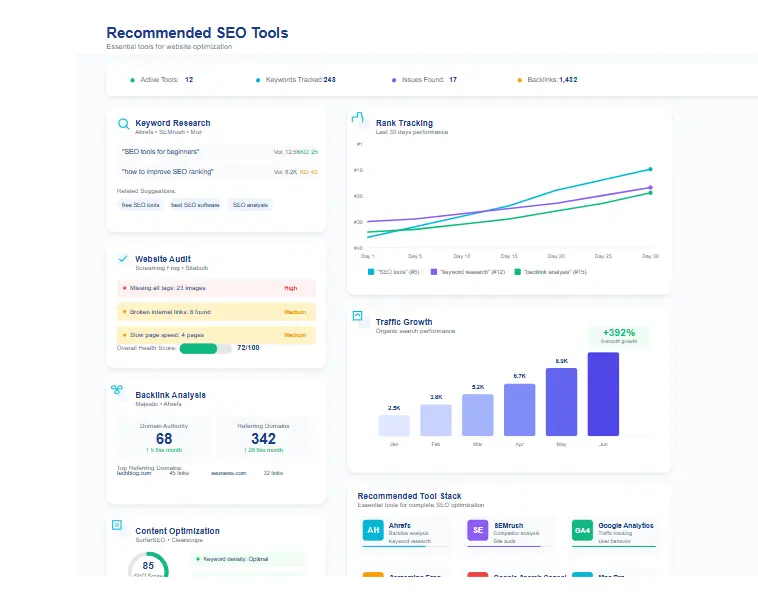
A practical SEO blog should not recommend tools blindly. It should help readers understand why they might need a platform in the first place. Keyword research tools help identify demand. Audit tools uncover technical issues. Content tools improve structure and topical coverage. Rank tracking tools measure progress over time.
If your goal is to learn faster and make more informed SEO decisions, exploring a curated list of beginner-friendly and professional platforms is a smart next step. Seoraf connects educational content with tool recommendations so readers can move from theory into execution more easily.
Frequently Asked Questions
What is an SEO blog?
An SEO blog is a website section that publishes articles, tutorials, guides, and updates related to search engine optimization. It helps readers learn how to improve rankings, increase organic traffic, optimize content, and understand changing search trends in a practical way.
Why should I follow an SEO blog regularly?
SEO changes over time as search engines update ranking systems and user behavior shifts. Following an SEO blog helps you stay updated with new SEO insights, practical optimization methods, and industry changes that can affect visibility, traffic, and content performance.
Who is the Seoraf SEO blog for?
The Seoraf SEO blog is built for beginners, bloggers, affiliate marketers, small businesses, and growing websites that want practical search engine optimization advice. It focuses on clear explanations, useful internal resources, and actionable tutorials instead of overly technical language.
What can I learn from SEO articles and tutorials?
SEO articles and tutorials can teach you how to do keyword research, improve on-page SEO, build internal links, optimize content, understand technical basics, and choose the right tools. These skills help you create stronger pages and improve long-term organic growth.
What should I read after this blog hub page?
A great next step is to explore the SEO Guides Hub, the Free Resources Hub, the SEO Tools Hub, and the Best SEO Tools page. These internal pages help you move from learning basic concepts to applying them with practical workflows and better tools.