
Independent SEO Knowledge Hub
SEO Software Reviews & Comparisons for Smarter SEO Decisions
SEORAF looks at SEO software the way a working SEO would: what a tool actually does, where it fits, and where it falls short. Alongside software reviews and comparisons, you’ll find guides on technical SEO, keyword research, content strategy, AI search, and templates you can put to use right away.
SEO SOFTWARE
Research → Compare →
Evaluate
AI Search
SEO
Tools
Practical SEO Research
Explained clearly, applied practically
Software Comparisons
Weighed on features, fit, and cost
Search-Focused Guides
Technical SEO, content, and AI search
ABOUT SEORAF
A Practical Knowledge Hub for Modern SEO
SEO advice tends to be scattered — a software review here, a technical doc there, a trend piece somewhere else. SEORAF pulls the practical parts together in one place, so you can look into a problem, understand what’s actually going on, and land on a sensible next step.
The site sticks to what’s useful rather than what sounds impressive. That means saying plainly what a tool or approach can do, where it tends to work well, what its limits are, and when a different route makes more sense.
Software research, technical SEO, keyword planning, content work, AI search — pick whichever one matches what you’re dealing with right now. The aim is to make that research faster and more useful, not to cover everything at once.
SEO SOFTWARE
SEO Software Reviews & Comparisons
Most SEO software bundles keyword research, rank tracking, competitor analysis, technical audits, content workflows, and reporting into a single platform. A longer feature list doesn’t automatically make a tool the right one for your site. The better question is what you actually need — your goals, your workflow, the size of the site, your reporting requirements, your budget, and the specific jobs you need the software to handle.
REVIEWS
SEO Software Reviews
A single-platform review looks at what the software actually covers — core features, day-to-day workflow, who it suits, where it comes up short, and how the pricing is structured.
COMPARISONS
SEO Software Comparisons
Comparing platforms works better around criteria that actually matter, not a checklist of features. That means keyword data, rank tracking, technical SEO coverage, content tools, reporting, integrations, how the interface feels to use day to day, and pricing.
SEO TOOLS
SEO Tools & Platforms
Beyond full platforms, there are tools built to do one job well — keyword research, technical checks, content workflows, rank tracking, or site analysis.
Editorial note: Software features, plans, pricing, and integrations change often. Check the provider’s own site for current details before you buy or rework your workflow around a specific tool.
EVALUATION FRAMEWORK
What to Look at Before Choosing SEO Software
Start an SEO software comparison with the work you actually need done, not the feature list. A tool earns its place by fitting your real workflow — not by having the most checkboxes on a comparison page.
A site chasing organic keyword growth probably needs strong keyword research and rank tracking. A technical-SEO-heavy workflow cares more about crawling, auditing, redirects, indexability, and site architecture. A content-led workflow leans on topic research, content briefs, and editorial planning.
A few other things worth checking: reporting depth, data limits, integrations, how many people on your team need access, export options, pricing structure, and whether the platform actually goes deep enough for what you’re trying to do.
Keep the decision tied to what you need the software to do — not to the assumption that every platform is basically interchangeable.
EXPLORE SEO
SEO Topics Organized Around Real Search Workflows
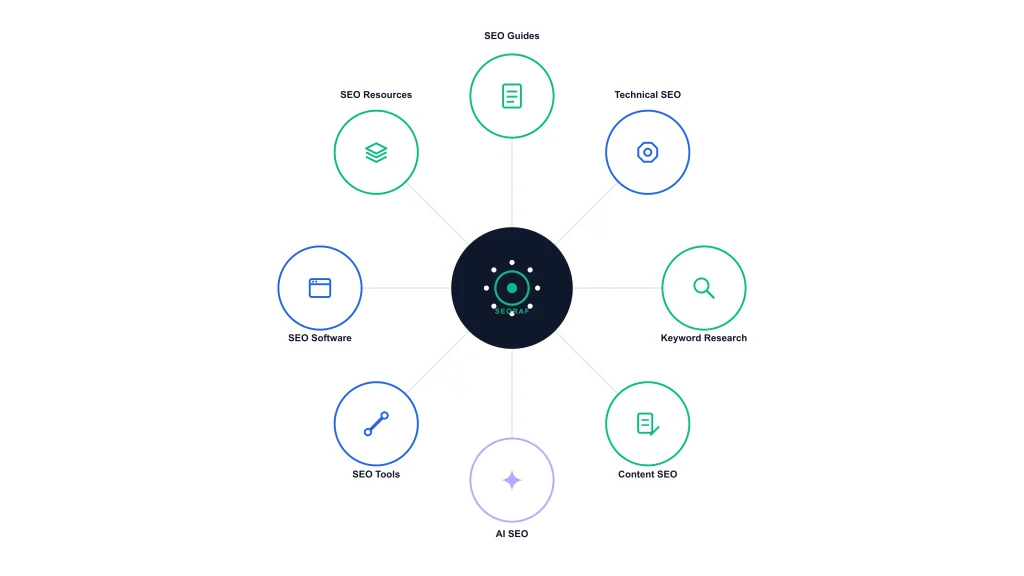
Strategy, technical SEO, keyword research, content, AI search, tools, software, and resources — organized around what you’re actually trying to get done.
s
SEO GUIDES
SEO Strategy & Fundamentals
Get a clearer handle on core SEO concepts, how the process actually works, and which practices are worth prioritizing first.
T
TECHNICAL SEO
Crawling, Indexing & Technical SEO
How crawling, indexability, indexing, site architecture, rendering, and redirects fit together — and where they tend to go wrong.
K
KEYWORD RESEARCH
Find & Map Search Demand
Practical ways to find keywords, read search intent, map terms to pages, and decide what to prioritize first.
C
CONTENT SEO
Create More Useful Search Content
Plan content that’s structured well, covers the topic properly, and is genuinely useful to the person reading it.
AI
AI SEO
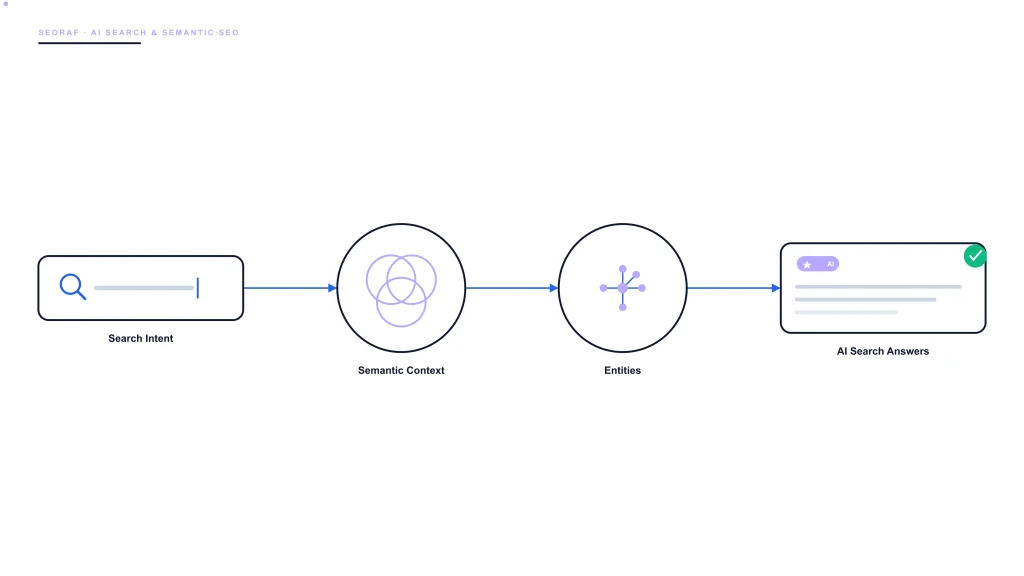
AI Search & Semantic SEO
Semantic relevance, entities, and what AI-driven search means for how content gets structured and understood.
T
SEO Tools
Tools for Everyday SEO Work
Tools for research, audits, analysis, content, keyword discovery, and the technical checks you end up running repeatedly.
S
SEO SOFTWARE
Platforms for Larger SEO Workflows
SEO platforms looked at by what they cover, who they suit, and what a bigger workflow actually needs from them.
C
SEO Resources
Checklists, Templates & Resources
Templates and checklists for research, planning, audits, and getting content workflows properly organized.
TECHNICAL SEO
Understand the Technical Foundations Behind Search Visibility
Technical SEO is what lets search engines reach, process, and actually make sense of a site in the first place. Problems with crawling, indexability, redirects, canonicalization, rendering, or internal linking can hold a site back even when the content itself is genuinely good.
SEORAF treats technical SEO as one connected system, not a pile of unrelated fixes. Once you see how discovery, crawling, rendering, indexability, indexing, canonicalization, and serving relate to each other, audits get a lot easier to reason through.
CONTENT & KEYWORDS
Connect Keywords, Search Intent, and Useful Content
Good SEO content starts before you write a word. Keyword research shows you the language people actually use; search intent tells you what they’re trying to get done. Content planning turns both into pages that answer the real question and cover the topic properly.
A solid workflow runs through keyword discovery, intent analysis, keyword mapping, topic structure, content briefs, internal linking, on-page optimization, and a look-back after publishing. None of these work especially well in isolation — they feed each other.
PRACTICAL SEO
Guides Built Around Practical SEO Problems
TECHNICAL SEO
How Google Crawls and Indexes Websites
How discovery, crawling, indexability, and indexing connect — and why that connection matters for visibility.
CONTENT SEO
Build Better Content Briefs
Turn search intent, topics, and entities into a content brief you can actually hand off and act on.
AI SEO
Understand Semantic SEO
How semantic relevance and topic relationships help content hold together for both readers and search systems.
AI SEO & SEARCH
Prepare Your SEO Workflow for AI-Driven Search
Search keeps getting better at reading entities, context, relationships, and what someone actually means by a query. That doesn’t retire SEO fundamentals — it adds new questions about how content gets structured, understood, and surfaced.
SEORAF covers semantic SEO, AI search, content context, and entities from a working SEO angle — the underlying ideas, not promises about showing up in AI-generated answers.
START HERE
Choose the SEO Path That Matches Your Goal
01
02
Learn Technical SEO
Get a working handle on crawling, indexing, and the other technical basics behind search visibility.
03
Use SEO Resources
Grab templates that help you organize research, planning, content, and the rest of SEO implementation.
MAKE A SMARTER SEO DECISION
Start With the SEO Research You Need
SEO software, tools, technical guides, content resources, and AI search concepts — look into your options here before you commit to one.
SEO SOFTWARE
SEO Software Reviews & Comparisons
Most SEO software bundles keyword research, rank tracking, competitor analysis, technical audits, content workflows, and reporting into a single platform. A longer feature list doesn’t automatically make a tool the right one for your site. The better question is what you actually need — your goals, your workflow, the size of the site, your reporting requirements, your budget, and the specific jobs you need the software to handle.
SEORAF NEWSLETTER
Get Practical SEO Insights Without the Noise
Practical SEO research, software notes, tool finds, and new resources — sent out as SEORAF publishes them, without the noise.
MAKE A SMARTER SEO DECISION
Start With the SEO Research You Need
SEO software, tools, technical guides, content resources, and AI search concepts — look into your options here before you commit to one.