
Complete Guide to Wrike Pricing in 2026
Discover everything you need to know about Wrike pricing plans, features, and how to choose the perfect subscription for your business needs and budget.
Start Your Free Wrike TrialUnderstanding Wrike Pricing: A Comprehensive Overview

When it comes to project management solutions, understanding the pricing structure is crucial for making an informed decision. Wrike, a leading collaborative work management platform recognized by analysts like Gartner, offers several pricing tiers designed to meet the needs of different organizations. This comprehensive guide will walk you through everything you need to know about Wrike pricing, helping you determine which plan offers the best value for your specific requirements.
Wrike pricing is structured to accommodate teams of all sizes, from small businesses to large enterprises. The platform’s flexible pricing model ensures that you only pay for the features you need, with the option to scale up as your organization grows. In this guide, we’ll explore each Wrike pricing tier in detail, compare them against competitors, and provide insights to help you make the most cost-effective choice for your business. For a more in-depth look at its features, user interface, and overall performance beyond just the Wrike pricing structure, be sure to check out our detailed Wrike project management software review.
After struggling with our previous project management tool, we switched to Wrike’s Professional plan. The transparent Wrike pricing structure and robust features have transformed how our team collaborates. We’ve seen a 30% increase in productivity within just three months.
Detailed Breakdown of Wrike Pricing Plans
Wrike offers four main pricing tiers, each designed to cater to different organizational needs and sizes. Understanding the specifics of each Wrike pricing plan is essential for selecting the right solution for your team. Let’s examine each plan in detail:
Free Plan
Wrike’s Free plan is designed for small teams looking to get started with basic project management capabilities. This plan is ideal for teams of up to 5 users who need essential task management and collaboration features.
- Unlimited tasks and projects
- 2GB storage space
- Basic task management
- Real-time activity stream
- Mobile apps
- Integrations with cloud storage providers
The Free plan is an excellent entry point for small teams or those wanting to test the platform before committing to a paid subscription. However, it lacks advanced features that growing businesses typically require.
Get Started for FreeProfessional Plan
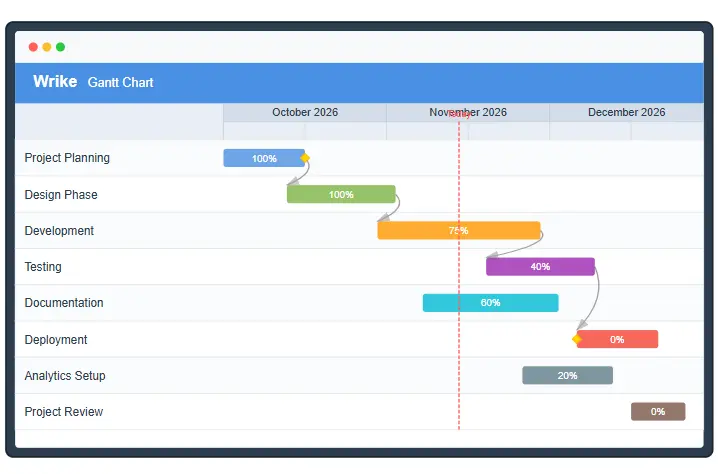
The Professional plan is Wrike’s most popular option for small to medium-sized teams. This tier builds upon the Free plan with additional features that enhance collaboration and project management capabilities, including Gantt charts for better project visualization.
- All Free plan features
- Up to 15 users
- 50GB storage space
- Gantt charts
- Shareable dashboards
- Advanced integrations
- Custom workflows
- Time tracking
- Task dependencies
At $9.80 per user per month when billed annually (or $11.60 when billed monthly), the Professional plan offers significant value for teams that need more robust project management tools without the complexity of enterprise-level features. This is a very competitive Wrike pricing point.
Start Professional Plan TrialBusiness Plan
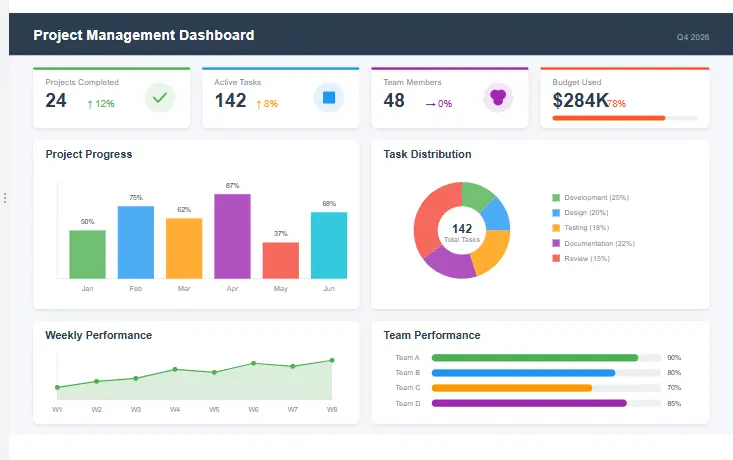
The Business plan is designed for growing teams and departments that need advanced project management capabilities. This tier includes all Professional features plus additional tools for enhanced collaboration and reporting, as shown in the dashboard example below.
- All Professional plan features
- Up to 200 users
- 100GB storage space
- Advanced security features
- Custom fields
- Advanced reports
- Request forms
- Proofing and approval tools
- Resource management
- Calendars and timelines
- Microsoft Teams and Slack integrations
At $24.80 per user per month when billed annually (or $31 when billed monthly), the Business plan is ideal for organizations that require more sophisticated project management capabilities and enhanced security features. This Wrike pricing tier is for serious project management.
Get a Quote for Business PlanEnterprise Plan
The Enterprise plan is tailored for large organizations with complex project management needs. This tier includes all Business features plus additional enterprise-grade tools and security options.
- All Business plan features
- Unlimited users
- Unlimited storage space
- Advanced security and compliance
- Single Sign-On (SSO)
- Two-factor authentication
- Custom user groups and permissions
- Advanced integrations
- Dedicated customer success manager
- Priority support
- Custom training and onboarding
Enterprise pricing is customized based on the specific needs of your organization, including the number of users and required features. Contact Wrike’s sales team for a personalized Wrike pricing quote.
Contact Sales for a QuoteWrike for Marketers
Wrike for Marketers is a specialized solution designed specifically for marketing teams. This plan includes all Business features plus marketing-specific templates and workflows.
- All Business plan features
- Marketing-specific templates
- Digital asset management
- Proofing and approval tools
- Marketing calendar
- Campaign management
- Content planning and creation workflows
- Social media planning tools
At $34.80 per user per month when billed annually (or $43.50 when billed monthly), Wrike for Marketers is an excellent choice for marketing teams that need specialized tools for campaign management and content creation. This specific Wrike pricing package is tailored for creative teams.
Try Wrike for MarketersWrike for Professional Services
Wrike for Professional Services is tailored for service-based organizations that need to manage client projects and resources effectively. This plan includes all Business features plus professional services-specific tools.
- All Business plan features
- Client portals
- Resource management
- Budget tracking
- Time billing
- Project templates
- Advanced reporting
At $34.80 per user per month when billed annually (or $43.50 when billed monthly), Wrike for Professional Services is ideal for agencies, consultancies, and other service-based businesses. This Wrike pricing option is built for client work.
Try Wrike for Professional ServicesWrike Pricing Compared to Competitors
When evaluating Wrike pricing, it’s helpful to compare it with other project management solutions in the market. This comparison will help you understand the value proposition of Wrike’s pricing structure relative to its competitors.
| Feature | Wrike Professional | Asana Premium | Monday.com Standard | ClickUp Business |
|---|---|---|---|---|
| Price per user/month (annual) | $9.80 | $10.99 | $10 | $12 |
| Gantt Charts | ||||
| Time Tracking | ||||
| Custom Workflows | ||||
| Advanced Reporting | ||||
| Proofing & Approval | ||||
| Resource Management |
Based on this comparison, Wrike’s Professional plan offers competitive pricing at $9.80 per user per month, with a strong feature set that includes Gantt charts and custom workflows. While some competitors offer advanced reporting at similar price points, Wrike’s pricing structure provides excellent value for teams that need robust project management capabilities without the complexity of higher-tier plans.
Value Analysis of Wrike Pricing Tiers
When evaluating Wrike pricing, it’s important to consider the value each tier provides relative to its cost:
Value Propositions
- Free plan offers robust basic features for small teams
- Professional plan provides excellent value at under $10 per user
- Business plan includes advanced features at a competitive price point
- Specialized solutions for marketers and professional services
- Transparent Wrike pricing with no hidden fees
- Annual billing offers significant savings on Wrike pricing
Considerations
- Some advanced features require higher-tier Wrike pricing plans
- Proofing and approval tools only available in Business plan and above
- Storage limits may be restrictive for teams with large files
- Enterprise Wrike pricing is not publicly disclosed
- Monthly billing comes at a premium
How to Choose the Right Wrike Plan for Your Business
Selecting the right Wrike pricing plan depends on several factors specific to your organization. Consider the following aspects when making your decision:
Team Size
The number of users in your organization is a primary consideration when choosing a Wrike plan. The Free plan supports up to 5 users, the Professional plan up to 15 users, and the Business plan up to 200 users. If you have more than 200 users, the Enterprise plan would be your best option.
Feature Requirements
Evaluate which features are essential for your team’s workflow. If you only need basic task management, the Free plan might suffice. For Gantt charts and custom workflows, the Professional plan is necessary. Advanced reporting, proofing tools, and resource management require the Business plan or higher. To get a better sense of how these features perform in a real-world setting, our full Wrike review offers practical insights.
Industry-Specific Needs
If you’re in marketing or professional services, consider the specialized solutions offered by Wrike. These industry-specific plans include tailored templates and workflows designed to address the unique challenges of these sectors.
Budget Constraints
Your budget will naturally influence your decision. Wrike offers significant discounts for annual billing, so if you can commit to a year, you’ll save approximately 15-20% compared to monthly billing. This is a key aspect of Wrike pricing flexibility.
Scalability
Consider your organization’s growth trajectory. If you anticipate rapid expansion, it might be more cost-effective to start with a higher-tier plan rather than upgrading multiple times as your team grows.
Integration Requirements
Check if the plan you’re considering integrates with the tools your team already uses. While all plans offer basic integrations, advanced integrations with tools like Microsoft Teams and Slack are only available in the Business plan and above.
Security Needs
If your organization handles sensitive data, the advanced security features of the Business and Enterprise plans might be necessary. These include two-factor authentication, single sign-on, and enhanced permission controls. This is a critical factor in Wrike pricing for larger companies.
We started with Wrike’s Professional plan but quickly realized we needed the advanced reporting features available in the Business plan. The upgrade process was seamless, and the additional capabilities have transformed how we track project progress and resource allocation.
Maximizing Value from Your Wrike Subscription
Once you’ve selected a Wrike pricing plan, there are several strategies you can employ to maximize the value you get from your subscription:
Implement Comprehensive Onboarding
Ensure all team members receive proper training on how to use Wrike effectively. The platform offers extensive resources, including webinars, tutorials, and documentation. Investing time in onboarding will pay dividends in improved productivity and adoption.
Customize Workflows
Take advantage of Wrike’s customization features to tailor workflows to your specific processes. This will streamline operations and ensure the platform aligns with how your team actually works.
Leverage Integrations
Connect Wrike with other tools your team uses to create a seamless workflow. This reduces the need to switch between applications and ensures data consistency across platforms.
Utilize Templates
Create templates for recurring projects to save time and ensure consistency. Wrike offers a library of templates, and you can also create your own based on your specific needs.
Regularly Review Usage
Periodically assess how your team is using Wrike to identify areas for improvement. This might include adjusting workflows, adding new users, or considering an upgrade to a higher-tier Wrike pricing plan.
Take Advantage of Support Resources
Make use of Wrike’s customer support and knowledge base. The platform offers extensive documentation, community forums, and direct support channels to help you resolve issues and optimize your usage.
Stay Updated on New Features
Wrike regularly updates its platform with new features and improvements. Stay informed about these updates to take advantage of new capabilities that could benefit your team.
Frequently Asked Questions About Wrike Pricing
Conclusion: Is Wrike Pricing Right for Your Business?
Wrike’s pricing structure offers flexibility and scalability for organizations of all sizes. With a range of plans from a free option for small teams to enterprise-grade solutions for large organizations, Wrike provides a project management solution that can grow with your business.
The value of Wrike pricing becomes evident when you consider the comprehensive features, robust security, and industry-specific solutions it offers. While some advanced features require higher-tier plans, the overall value proposition is strong, especially for teams that need robust project management capabilities.
When evaluating Wrike pricing, consider your specific needs in terms of team size, feature requirements, industry-specific functionality, and budget constraints. By carefully assessing these factors and following the guidance in this article, you can select the Wrike plan that offers the best value for your organization.
Remember that the true value of any project management tool extends beyond its price tag. The productivity gains, improved collaboration, and enhanced project visibility that Wrike provides can deliver a significant return on investment that far outweighs the subscription cost.

Ready to see how Wrike can transform your team’s productivity? Start Your Free Wrike Trial Today
After evaluating several project management solutions, we chose Wrike based on its transparent pricing and robust feature set. Two years later, it’s proven to be one of our best investments, significantly improving our project delivery times and team collaboration.