
How to Increase Organic Traffic: A Comprehensive Guide for Sustainable Growth
Learning how to increase organic traffic is one of the most valuable skills for any website owner or digital marketer. Unlike paid advertising, organic search traffic provides sustainable, long-term results without continuously draining your budget. In this comprehensive guide on how to increase organic traffic, we’ll walk you through a proven system to boost organic traffic and grow your online presence. Whether you’re a beginner or have some SEO experience, our professional SEO services recommend these strategies to help you increase website traffic organically and achieve lasting results in search rankings.
The landscape of search engine optimization is constantly evolving. Google’s algorithms have become incredibly sophisticated, prioritizing user experience, expertise, and value over simple keyword stuffing. To truly master how to increase organic traffic, you must shift your mindset from manipulating algorithms to solving user problems. When you focus on providing genuine value, the rankings follow. If you want to understand the core principles of how search works, Google’s Search Central provides the official guidelines.
Why Organic Traffic Matters More Than Ever
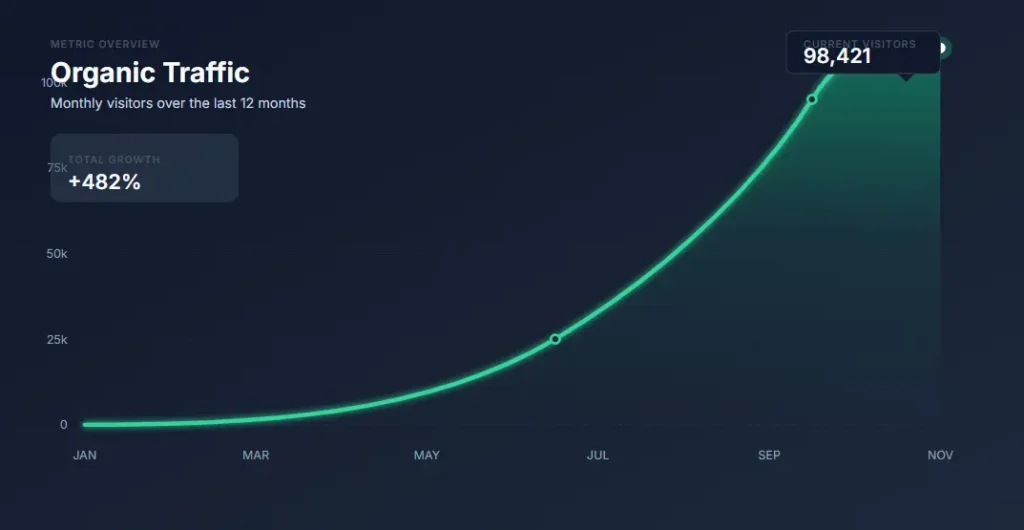
Before diving into the tactical steps of how to increase organic traffic, it is crucial to understand the “why.” Why do SEO professionals obsess over organic search? The answer lies in the quality of intent. When a user types a query into Google, they are actively looking for a solution, a product, or an answer. They are not being interrupted by an ad; they are initiating the interaction.
- Trust and Credibility: Users trust organic listings significantly more than sponsored ads. Ranking high positions you as an authority in your niche. Strategies for how to increase organic traffic essentially build your brand’s reputation.
- Cost-Effectiveness: While SEO requires time and effort, the cost per click (CPC) over the long term is virtually zero compared to paid media. Once you rank, you receive traffic without paying for every single visit. For a deeper comparison, check out our analysis on SEO vs. PPC.
- Compounding Returns: Paid ads stop the second you stop paying. Content created to increase organic traffic, however, continues to generate visitors for years. It is an asset that appreciates in value.
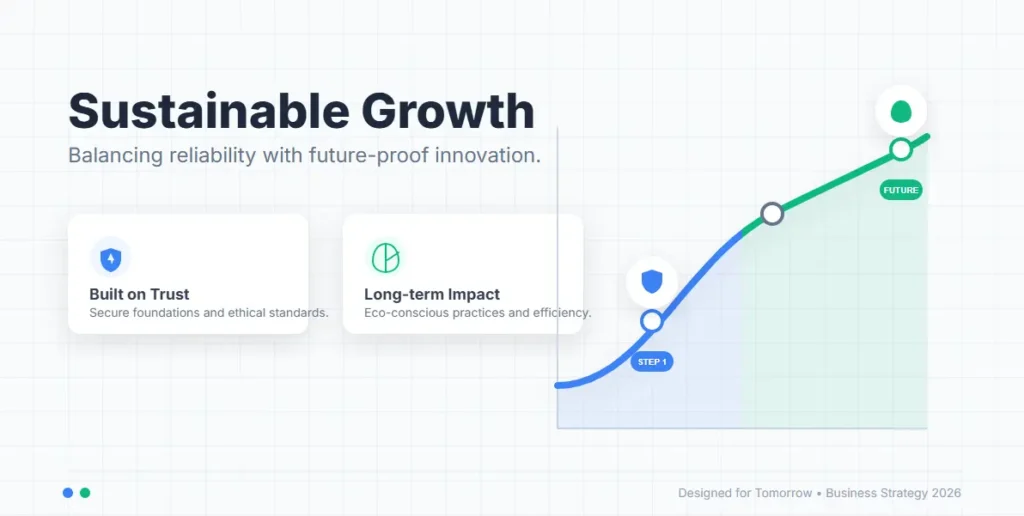
- Sustainable Growth: Organic traffic acts as a foundation for your business. It provides baseline visibility that protects you against fluctuations in ad costs or algorithm updates affecting competitors.
Quick Wins (Today)
When starting to learn how to increase organic traffic, it is important to see some immediate results to stay motivated. SEO is a marathon, but you can sprint the first 100 meters. Here are quick wins you can implement today to boost organic traffic:
- Fix Title Tags: Update your most important pages with compelling, keyword-rich title tags under 60 characters. Ensure the primary keyword appears near the beginning.
- Improve Meta Descriptions: Write compelling meta descriptions for your top 10 pages that encourage clicks. While not a direct ranking factor, a higher Click-Through Rate (CTR) signals relevance to Google, which is vital when learning how to increase organic traffic.
- Check for Indexing Issues: Use Google Search Console to ensure your important pages are indexed. If Google can’t see your page, you cannot increase organic traffic from it.
- Fix Broken Internal Links: Use a tool to find and fix broken internal links on your site. A clean site architecture helps crawlers and users alike. See our guide on how to fix 404 errors for detailed steps.
- Update Your Oldest Blog Post: Refresh one high-potential blog post with new information, updated stats, and optimized formatting. This is often the fastest way to see movement in rankings for how to increase organic traffic queries.
Ready to Double Your Organic Traffic?
Join 15,000+ marketers receiving our weekly SEO teardowns to learn how to increase organic traffic.
Get the Free Newsletter30-Day Plan
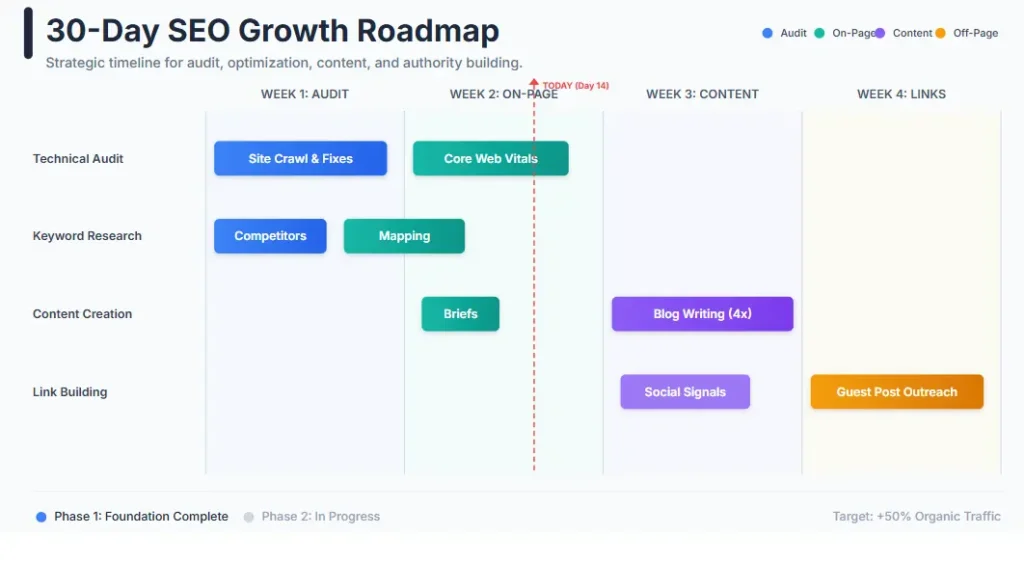
Learning how to increase organic traffic requires a structured approach. Random acts of SEO rarely yield results. Here is your 30-day plan to establish a strong foundation:
Want a printable version of this guide?
Enter your name and email below to instantly download our comprehensive PDF checklist on how to increase organic traffic. Perfect for quick reference!
Week 1: Technical Foundation
A house built on a shaky foundation will collapse. The same applies to your strategy on how to increase organic traffic. If your site is slow or broken, content won’t matter. We recommend performing a comprehensive technical SEO audit to identify issues.
- Conduct a full technical SEO audit using tools like Screaming Frog or Ahrefs.
- Submit an updated XML sitemap to Google Search Console.
- Check and fix crawl errors (404s, 5xx errors).
- Improve page loading speed for top pages (compress images, minify CSS/JS).
- Set up canonical tags to prevent duplicate content issues.
Week 2: Keyword Research & Content Planning
You cannot learn how to increase organic traffic without knowing what your audience is searching for. This week is purely about data gathering and strategy.
- Research primary and secondary keywords using Ahrefs, SEMrush, or Ubersuggest.
- Analyze competitor keywords and content gaps. What are they ranking for that you aren’t?
- Create a content calendar for the next 90 days focused on high-intent topics.
- Map keywords to user intent (Informational, Navigational, Commercial, Transactional).
- Identify content refresh opportunities on your existing site.
Week 3: Content Creation & Optimization
This is where the rubber meets the road. Content is the vehicle that drives organic traffic. Effective content marketing is essential here.
- Update 3-5 existing high-potential posts. Improve the word count, add images, and update stats.
- Create 2 new comprehensive pieces of content (“Pillar Content”).
- Optimize all on-page elements (titles, headings, URL slugs).
- Add internal links between related content to help Google understand your site structure.
- Implement schema markup (FAQ, HowTo) for key pages to enhance rich snippets.
Week 4: Promotion & Measurement
If you publish content and no one sees it, does it rank? Promotion is a part of how to increase organic traffic because it generates signals.
- Begin basic outreach for backlinks to your new content.
- Share new content on relevant social platforms, LinkedIn, and industry forums.
- Set up tracking in Google Analytics 4 (GA4).
- Document baseline metrics (organic users, bounce rate, keyword positions).
- Plan next month’s priorities based on initial data.
Step 1: Fix Technical SEO
Before you can effectively increase organic traffic, your website needs a solid technical foundation. Search engines need to be able to crawl, understand, and index your content efficiently. This first step is non-negotiable for anyone serious about learning how to increase organic traffic. Think of technical SEO as the engine of a car; no matter how beautiful the paint job (content) is, the car won’t run if the engine is broken.

Ensure Proper Indexing
First, verify that Google can find and index your important pages. Use Google Search Console to check for any indexing issues:
- Check the Coverage report for errors. Look for “Excluded” pages that shouldn’t be.
- Submit your XML sitemap if you haven’t already. This is the roadmap for crawlers.
- Review your
robots.txtfile to ensure it’s not blocking important content directories. Many beginners accidentally block their/wp-content/uploads/folder, preventing images from being indexed. - Use the URL Inspection tool to request indexing for new or updated pages.
Improve Core Web Vitals
Core Web Vitals are essential user experience metrics that impact rankings. To boost organic traffic, focus on these basics. You can measure these directly using Google’s PageSpeed Insights:
- Largest Contentful Paint (LCP): Aim for under 2.5 seconds. This measures loading performance. Optimize images (WebP format), use a CDN, and improve server response time.
- First Input Delay (FID): Keep under 100ms. This measures interactivity. Minimize JavaScript execution and defer non-critical scripts.
- Cumulative Layout Shift (CLS): Maintain a score below 0.1. This measures visual stability. Specify image dimensions and avoid insertions of content above existing content (like pop-ups that push text down).
Optimize Your XML Sitemap
Your XML sitemap helps search engines discover and understand your site structure. When learning how to increase organic traffic, ensure your sitemap:
- Includes all important pages (but no low-value or duplicate content). Clean sitemaps are better than huge, bloated ones.
- Is automatically updated when you add or remove content. Use plugins like Yoast or RankMath if on WordPress.
- Is submitted to Google Search Console.
- Is free of errors. Use a sitemap validation tool to check.
Implement Canonical Tags
Canonical tags prevent duplicate content issues by telling search engines which version of a page is the primary one. This is especially important for how to increase organic traffic on e-commerce sites or blogs:
- Product pages with URL parameters (e.g.,
?color=redvs?color=blue). - Print-friendly versions of articles.
- Mobile and desktop versions of your site (though hreflang is better for multi-region).
- Similar pages with slight variations.
Step 2: Keyword Research for How to Increase Organic Traffic
Effective keyword research is the cornerstone of any strategy to increase organic traffic. However, it’s not just about finding high-volume keywords—it’s about understanding user intent and creating content that meets those needs. This step is crucial for anyone learning how to increase organic traffic effectively. If you target keywords that don’t match what the user actually wants, your bounce rate will skyrocket, killing your rankings.
Comprehensive Keyword Research
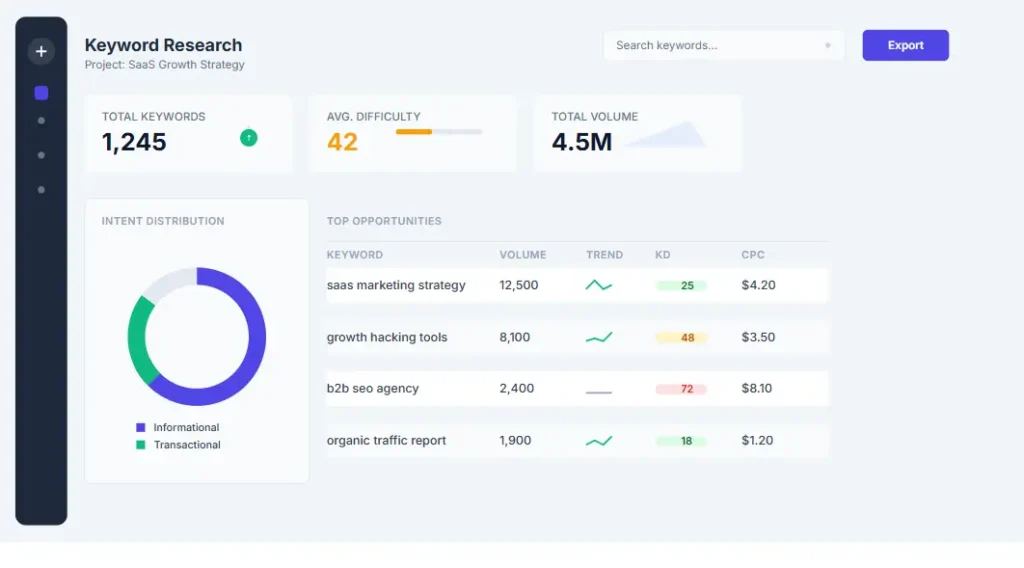
Begin by creating a comprehensive list of potential keywords using multiple sources:
- Google Search Console: Look at “Queries” where you already rank on page 2 or 3. These are “low hanging fruit.” Optimizing these is a quick method for how to increase organic traffic.
- Competitor Analysis: Use tools like Ahrefs, SEMrush, or Moz to see what keywords your competitors are ranking for. These tools are industry standards for data analysis.
- Google’s “People Also Ask” & “Related Searches”: These provide gold mines of long-tail variations directly from Google’s data.
- Answer the Public: Great for finding question-based queries (Who, What, Where, When, Why).
- Industry Forums: Communities like Reddit, Quora, or niche forums where your audience gathers to ask questions.
Understanding Search Intent
Modern SEO is about matching user intent. If you write a sales page targeting a “how-to” keyword, you won’t rank. Categorize your keywords by intent as part of your plan for how to increase organic traffic:
- Informational: “how to,” “what is,” “guide to” – users seeking knowledge. Provide blog posts and guides.
- Navigational: “brand name,” “product name” – users looking for a specific site. Ensure your home page and brand pages are optimized.
- Commercial Investigation: “best,” “review,” “comparison” – users researching before buying. Provide comparison charts and review articles.
- Transactional: “buy,” “price,” “discount” – users ready to purchase. Provide product pages and clear CTAs.
Keyword Prioritization
Not all keywords are created equal. Prioritize based on:
- Relevance: How closely does the keyword match your offerings?
- Search Volume: How many people are searching for this term?
- Difficulty: How hard is it to rank for this keyword? If you have a new site, don’t go after keywords with DR 90+ sites dominating the top 10.
- Business Value: Will traffic from this keyword lead to conversions? Ranking #1 for “free cat pictures” won’t help an SEO agency. Our keyword research guide explains this in more detail.
Step 3: Content Refresh
One of the most effective ways to boost organic traffic is by refreshing existing content rather than constantly creating new content. Google favors fresh, accurate information, and updating old posts can yield significant ranking improvements. This tactic is a core component of any strategy on how to increase organic traffic. It is much easier to push a page from position 11 to position 1 than it is to rank a brand new page from scratch.
Identify Refresh Opportunities
Use Google Analytics and Search Console to find pages with potential:
- Pages that previously ranked well but have declined (often due to outdated info).
- Pages ranking on page 2 (positions 11-20). These have high potential with small improvements.
- Content that’s outdated but still relevant to your audience.
- Posts with high engagement but low search visibility.
Content Refresh Process
Follow this systematic approach to revitalize your content and learn how to increase organic traffic faster:
- Analyze current performance: Check rankings, traffic, and engagement metrics.
- Research competitors: See what’s ranking for your target keywords now. What are they doing that you aren’t?
- Update information: Add new data, examples, and current insights. Remove outdated stats.
- Improve formatting: Add subheadings, bullet points, and visual elements. Make it skimmable.
- Enhance depth: Add sections to make your content more comprehensive. If competitors have 1,000 words, aim for 1,500.
- Optimize for new keywords: Include relevant terms you may have missed.
- Update internal links: Link to newer content and fix broken links.
- Update publish date: Indicate the content has been refreshed (but be honest).
Step 4: Internal Linking System
A strategic internal linking system is one of the most underestimated tactics to increase organic traffic. Internal links help search engines discover and understand your content while distributing authority throughout your site. This is a powerful, yet often overlooked, method for how to increase organic traffic. Most sites suffer from “orphan pages”—pages that have no internal links pointing to them. These pages are almost impossible to rank.

Internal Linking Benefits
Proper internal linking provides several key benefits:
- Helps search engines find and index your content (Crawl depth).
- Distributes PageRank (link equity) across your site. You can boost a specific page by linking to it from your homepage or top blog post.
- Improves user experience and navigation.
- Increases time on site and reduces bounce rate by guiding users to related topics.
- Provides context about page relationships (Semantic relevance).
Creating an Internal Linking Strategy
Develop a systematic approach to internal linking as part of your how to increase organic traffic strategy. Read our detailed guide on internal linking best practices for more depth:
- Audit existing links: Use a tool to analyze your current internal link structure.
- Identify hub pages: Find high-authority pages that can pass link value to others (usually your homepage or top traffic pages).
- Map content relationships: Group related content into topic clusters.
- Link contextually: Add internal links where they make natural sense in the content body. Don’t rely solely on footer or sidebar links.
- Use descriptive anchor text: Avoid generic phrases like “click here.” Use keywords like “guide on how to increase organic traffic.”
- Balance link distribution: Ensure no pages are orphaned.
Limited Time: Free SEO Site Audit
We will analyze your top 3 competitors and tell you exactly why they are outranking you and how you can increase organic traffic.
Claim My Free AuditStep 5: On-Page Optimization Checklist
On-page optimization is fundamental to any strategy to increase organic traffic. These elements help search engines understand your content and can directly impact your rankings. Mastering this step is key to understanding how to increase organic traffic on a page-by-page basis.
Title Tags and Meta Descriptions
These elements appear in search results and significantly influence click-through rates:
- Title tags: Keep under 60 characters, include primary keyword early, and make compelling. Instead of “SEO Tips,” use “10 Proven Tips on How to Increase Organic Traffic.”
- Meta descriptions: Keep under 160 characters, include keywords naturally, and create a call-to-action.
- Unique tags: Ensure each page has a unique title and meta description.
Heading Structure
Proper heading structure helps both users and search engines navigate your content:
- Use only one H1 tag per page (typically your title).
- Follow hierarchical order (H1 → H2 → H3).
- Include target keywords in headings where natural.
Step 6: Topical Authority Strategy
Building topical authority is an advanced strategy to significantly increase organic traffic. When Google recognizes your site as an authority on a specific topic, it’s more likely to rank your content higher for related queries. This approach represents a more sophisticated understanding of how to increase organic traffic at scale. It moves away from targeting single keywords to targeting “topic clusters.”
Creating Topic Clusters
The most effective way to build topical authority is through topic clusters:
- Pillar page: A comprehensive guide covering all aspects of a broad topic.
- Cluster content: Detailed articles addressing specific subtopics that link back to the pillar.
For example, if you are building authority on SEO, your pillar might be “The Complete Guide to SEO,” with clusters on On-Page SEO, Technical SEO, and Off-Page SEO.
Step 7: Backlinks
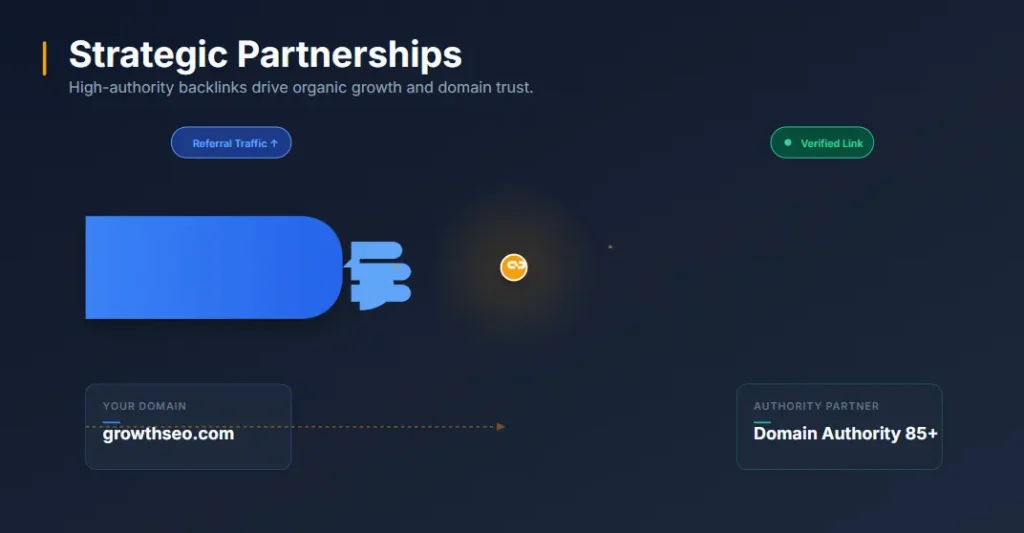
While many aspects of SEO have evolved, backlinks remain a critical ranking factor when learning how to increase organic traffic. However, approach to building them has changed—quality now far outweighs quantity. We provide white-hat link building services to help you navigate this safely.
Modern Link Building
Effective link building today focuses on:
- Earning links through valuable content and relationships.
- Relevance over raw authority metrics. A link from a niche blog is often better than a generic directory.
- Links that drive referral traffic.
Beginner-Friendly Link Tactics
If you’re just learning how to increase organic traffic, start with these safe approaches:
- Resource page link building: Find pages listing resources and request inclusion.
- Broken link building: Find broken links on relevant sites and offer your content as replacement.
- Unlinked brand mentions: Find mentions of your brand without links and request them.
- Guest posting: Contribute valuable content to reputable sites in your niche.
Step 8: Local SEO
If your business serves a specific geographic area, local SEO is essential to increase organic traffic from nearby customers. Even if you operate nationally or globally, local signals can influence your overall search visibility and play a role in how to increase organic traffic for specific queries.
- Google Business Profile: Claim and fully complete your profile.
- NAP Consistency: Ensure Name, Address, and Phone are consistent across the web.
- Local Content: Write content targeting “Service + City” keywords.
For businesses targeting specific regions, our local SEO services can help you dominate the map pack.
Step 9: Measure + Iterate
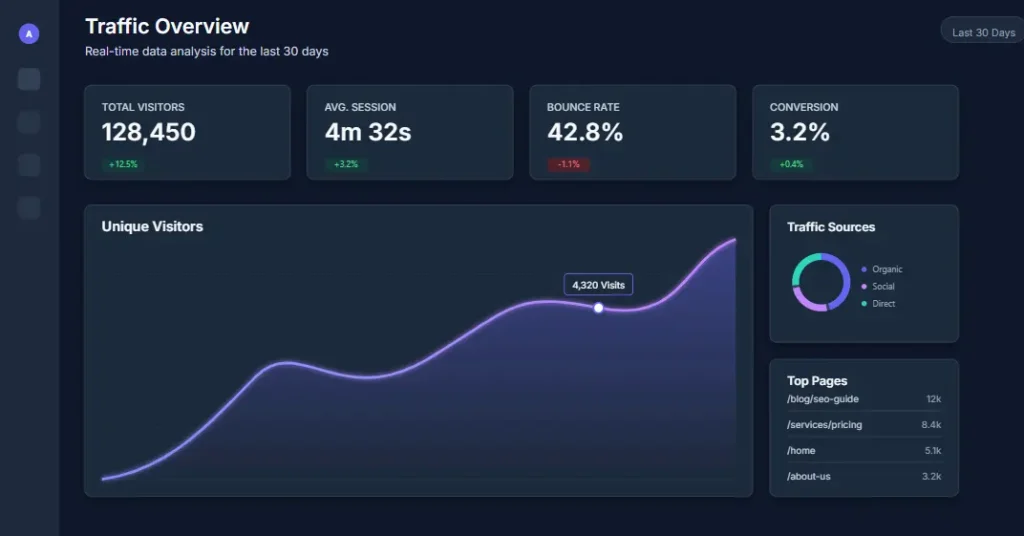
The final step in mastering how to increase organic traffic is establishing a measurement system to track progress and identify opportunities for improvement. Without measurement, you’re flying blind.
Key Metrics
- Organic Traffic: Total visitors from organic search.
- Keyword Rankings: Positions for target keywords.
- Click-Through Rate (CTR): Percentage of impressions that result in clicks.
- Impressions: How often your pages appear in search results.
Frequently Asked Questions
Transform Your Organic Traffic Strategy
Increasing organic traffic is a marathon, not a sprint. Let our SEO experts create a customized roadmap for your website’s unique challenges and opportunities. Schedule a free consultation to discuss how to increase organic traffic for your business.
Schedule Free Consultation